
During Wire Electrical Discharge Machining (Wire EDM), the continuous flushing of cutting fluid over the workpiece, combined with constant circulation, frequently generates a massive amount of fine foam. This accumulation doesn't just cause tank overflows and obscure visibility; it actively disrupts the machining process.
Many workshops make the mistake of using generic defoamers to solve this. The result? Fluctuating cutting precision, clogged filtration systems, and ultimately, more trouble than they started with. To maintain stable machining, selecting a Wire EDM cutting fluid defoamer requires looking far beyond just the initial foam-killing speed.
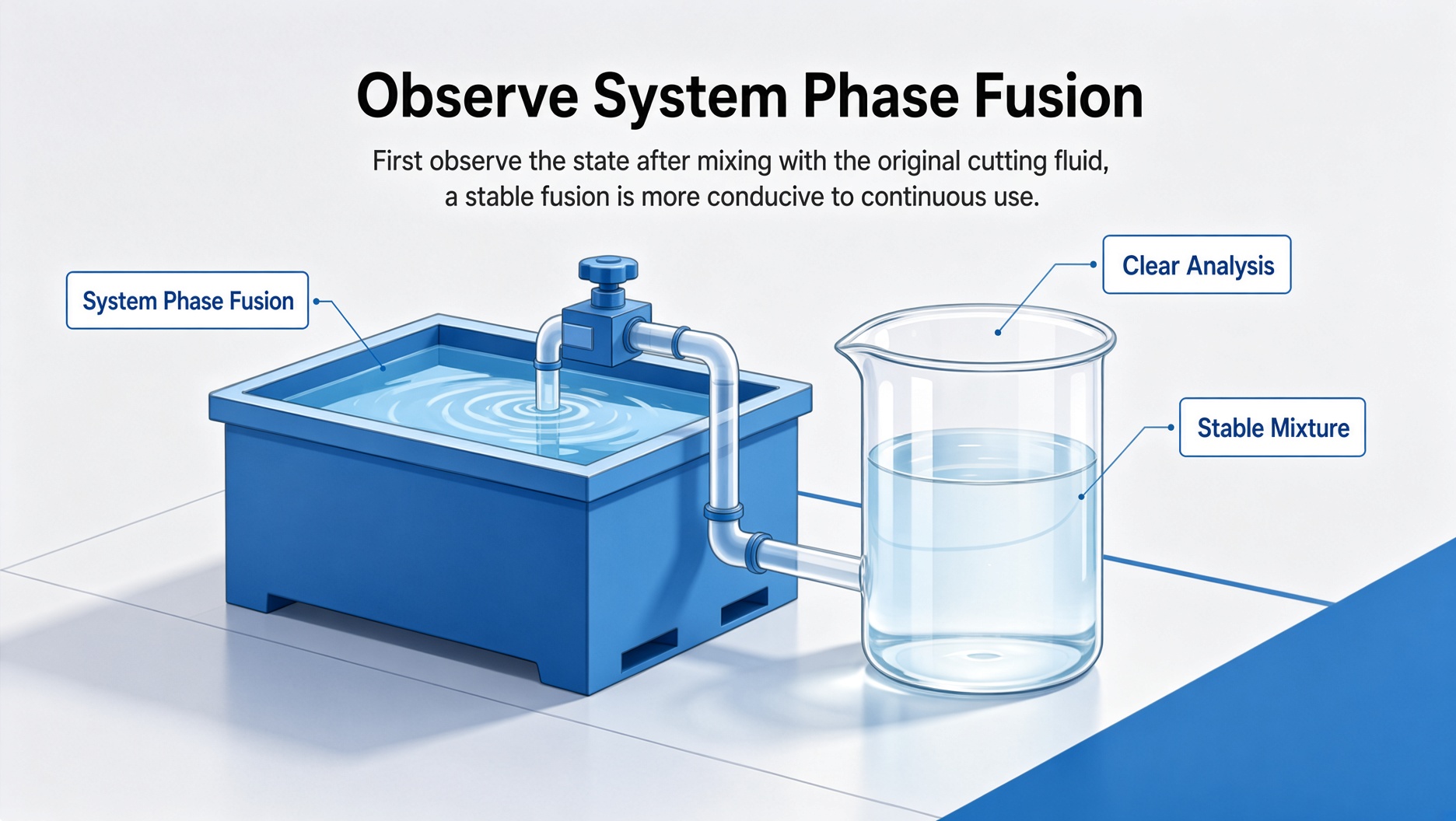
Compatibility with the Cutting Fluid System
Different cutting fluids have unique chemical formulations. If a defoamer is incompatible, it will separate or precipitate out of the solution. Even if it clears the foam temporarily, its effectiveness will rapidly degrade after passing through the filtration system. When evaluating a Wire EDM cutting fluid defoamer, the first step is to ensure it blends seamlessly with your existing fluid without causing any separation or residue. This is the only way to guarantee consistent performance in a circulating environment.
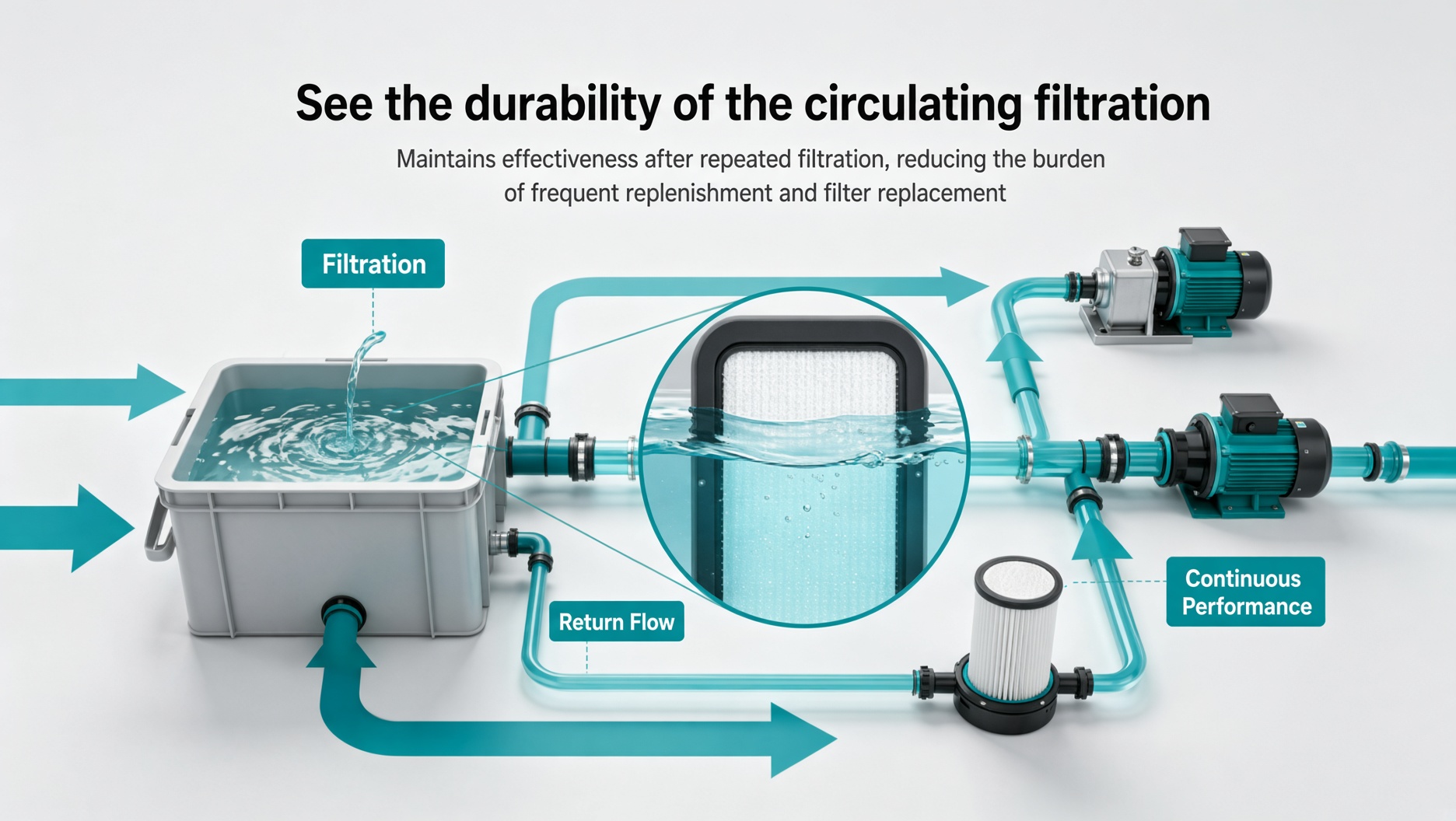
Built for Continuous Filtration Environments
Wire EDM machines rely on a continuous loop of filtration and return flow. The fluid constantly passes through filter elements and meshes. If a defoamer lacks filtration resistance, its active ingredients will be trapped by the filter media, rendering it useless in a short time and causing premature clogging. When selecting a product, prioritize its durability under repeated filtration to reduce the burden of frequent top-ups and filter replacements.
Maintaining Machining Performance
Wire EDM relies heavily on the specific electrical conductivity and dielectric properties of the cutting fluid. Some defoamers can inadvertently alter these properties, leading to unstable cutting or arcing. Therefore, a top-tier defoamer must do more than just eliminate bubbles; it must maintain the original machining conditions of the fluid system without introducing any negative interference to the cutting process.
Factoring in Total Cost of Ownership
Cutting fluids eventually require waste disposal. Some defoamers might work well on the shop floor but significantly complicate the wastewater treatment process. When evaluating costs, look beyond the initial purchase price. Factor in the frequency of top-ups, filter replacement costs, and the complexity of waste disposal to determine the true overall investment.
Selecting a Wire EDM cutting fluid defoamer cannot follow the same logic as general machining. System compatibility, filtration resistance, machining stability, and waste disposal are all critical evaluation metrics. While technical data sheets are useful, the most reliable method is always to conduct sample tests using your shop's actual cutting fluid to verify real-world performance.
Frequently Asked Questions (FAQ)
Q1: Can I use a standard cutting fluid defoamer in my Wire EDM machine?
A: It is highly discouraged. Standard defoamers are not engineered for the continuous filtration and specific electrical requirements of Wire EDM. Using them can lead to machining anomalies. Always test specifically for Wire EDM applications first.
Q2: If the foam disappears, does that mean the product is a good fit?
A: Foam elimination is only the baseline. You must also monitor whether the filtration system and cutting stability remain consistent after long-term circulation. A comprehensive evaluation is required.
Q3: Why did the defoamer work in the lab but fail on the machine?
A: Lab tests are typically conducted in a static environment. On the machine, continuous circulation and filtration actively consume the active ingredients. You need to observe the product over a longer period to confirm its long-term performance under dynamic conditions.
